

 See My Latest Article on HelloNation
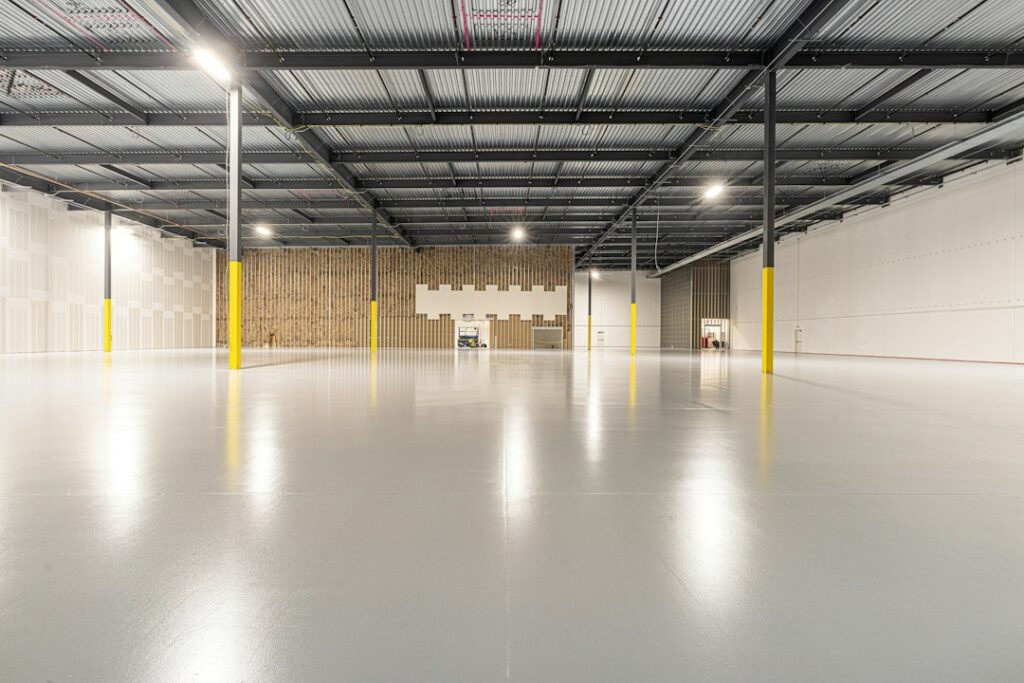
Choosing a commercial property is less about finding the most attractive listing and more about matching a space to the way a business actually operates. Rent, visibility, and square footage matter, but so do parking, delivery access, utility capacity, zoning, lease terms, and the condition of the surrounding area.
For businesses in Ruston, LA, careful evaluation is especially useful because commercial spaces can serve very different purposes. A professional office, neighborhood service business, retail shop, medical practice, restaurant, and warehouse each require different layouts and infrastructure.
What should be decided before touring properties?
The first step is to define the business’s practical requirements before comparing available spaces. A property that appears affordable may become costly if it requires extensive improvements or cannot support daily operations.
Write down the following:
- The type of business and services offered
- The number of employees expected on-site
- Required customer or client capacity
- Hours of operation
- Storage, inventory, or equipment needs
- Parking and loading requirements
- Accessibility needs
- Desired lease term and budget
- Room for future expansion
It also helps to separate requirements into three categories: essential, preferred, and unnecessary. For example, ground-level access may be essential for a service business, while a prominent corner location may simply be preferred. This distinction prevents a business from paying for features that do not contribute meaningfully to its operations.
How much space does a business really need?
The right amount of space depends on how it will be used, not just on the number of square feet. A small office may need private rooms, conference space, file storage, and a reception area. A retail operation may need open customer areas, display space, stockrooms, and employee facilities.
Consider the full path of people and materials through the building:
- Where do customers enter and wait?
- How do employees move between work areas?
- Where are deliveries received?
- Is inventory stored securely and efficiently?
- Are restrooms convenient and accessible?
- Can furniture, equipment, or displays be rearranged later?
Overestimating space can create unnecessary rent and utility costs. Underestimating it may lead to crowded work areas, poor customer flow, and an early need to relocate. A simple scaled floor plan or furniture sketch can reveal whether a property will function well before lease negotiations begin.
Does the location fit customer habits?
A good location is one that is convenient for the intended customer base, not merely one with high visibility. Think about how customers will reach the property, where they will park, and whether the surrounding setting matches the business’s purpose.
For customer-facing operations, evaluate:
- Visibility from nearby streets
- Ease of entering and exiting the property
- Parking availability during busy periods
- Pedestrian access
- Lighting after dark
- Nearby uses that may support or interfere with the business
- Seasonal traffic and weather conditions
Ruston experiences hot, humid summers and periods of heavy rainfall, so covered entrances, drainage, shaded waiting areas, and dependable access can affect the customer experience. A location that works well during mild weather may be less practical during a storm or an unusually hot afternoon.
It is also wise to visit a prospective property at different times of day. Traffic, parking availability, noise, and neighboring activity can change substantially between morning, midday, evening, and weekends.
What should be checked before signing a lease?
A lease should be reviewed as a complete financial and operational document, not just as a monthly rent quote. The advertised rent may not include every cost connected to occupying the property.
Ask how the following expenses are handled:
- Property taxes
- Building insurance
- Common-area maintenance
- Utilities
- Janitorial service
- Landscaping
- Snow or storm-related maintenance, where applicable
- Repairs to mechanical systems
- Interior improvements
- Signs and exterior maintenance
The lease should also address renewal options, rent increases, assignment or subleasing, permitted business activities, operating hours, security deposits, default provisions, and responsibility for repairs.
A low starting rent can be less favorable than a higher but more predictable cost if additional charges are difficult to estimate. Requesting a clear explanation of recurring and potential costs makes it easier to compare properties fairly.
How can zoning and permitted use affect the decision?
A space must be legally suitable for the intended business. Zoning, occupancy rules, building codes, parking requirements, signage restrictions, and licensing obligations may limit what can operate at a particular address.
A previous tenant’s use does not guarantee that a new business can operate there under the same conditions. Changes in use may trigger requirements involving:
- Restrooms and accessibility
- Fire protection
- Electrical capacity
- Ventilation
- Food preparation
- Medical or specialized equipment
- Customer parking
- Exterior signs
- Hours or types of operation
These issues should be investigated before committing to a lease. If a business depends on a specific approval, permit, or building modification, the lease should account for what happens if that approval cannot be obtained.

What physical conditions deserve the closest inspection?
A commercial space may look acceptable during a brief tour while concealing expensive problems. Examine the building’s systems and the condition of areas that are easy to overlook.
Pay attention to:
- Roof age and evidence of leaks
- Water stains, musty odors, or signs of moisture
- Heating and cooling performance
- Electrical panels and available capacity
- Plumbing pressure and drainage
- Internet and telecommunications access
- Door, window, and lock condition
- Lighting levels
- Insulation and energy efficiency
- Ceiling height and structural limitations
In a warm, humid climate, reliable air conditioning is not a minor convenience. It can affect employee comfort, customer experience, equipment performance, and utility expenses. Ask whether heating and cooling systems are separately metered, recently serviced, or nearing replacement.
Photographing existing conditions and recording unresolved issues can help prevent disagreements about responsibility for repairs or improvements.
How should parking, deliveries, and accessibility be evaluated?
Parking and loading problems can disrupt a business even when the interior space is well designed. Determine whether employees, customers, vendors, and service vehicles can use the property without competing for the same limited areas.
A business should understand:
- Which spaces are reserved or shared
- Whether parking is sufficient during peak hours
- Where delivery vehicles can stop
- Whether loading areas are accessible without blocking customers
- Whether entrances are accessible to people with disabilities
- How trash, recycling, and service access are handled
For businesses receiving bulky goods or frequent deliveries, a property designed primarily for office use may be unsuitable. Likewise, a retail or personal-service operation may need more convenient customer parking than a business that serves clients by appointment.
What are common mistakes to avoid?
Several problems arise from moving too quickly or focusing on only one feature.
Common mistakes include:
- Choosing a property based solely on low rent
- Assuming the existing layout cannot be changed or will be easy to change
- Ignoring total occupancy costs
- Failing to confirm permitted use
- Overlooking drainage, heat, or storm-related access issues
- Accepting verbal promises that are not written into the lease
- Neglecting renewal and expansion terms
- Measuring only the interior and not the parking or delivery areas
- Signing before understanding repair responsibilities
A property should be evaluated as a long-term operating environment. The most suitable space is usually the one that supports predictable daily operations, accommodates realistic growth, and limits avoidable surprises.
When is it worth slowing down the decision?
A short delay is often worthwhile when important information is missing. Before signing, the business should have a practical understanding of the total cost, permitted use, physical condition, improvement needs, and lease obligations.
Legal review may be appropriate when the lease includes complex expense structures, extensive renovation responsibilities, personal guarantees, unusual renewal terms, or significant penalties. Technical or safety concerns may also require qualified review, particularly where electrical systems, structural conditions, hazardous materials, accessibility, or major building defects are involved.
The goal is not to find a perfect property in every respect. It is to find a commercial space whose location, layout, cost, legal use, and physical condition fit the business well enough to support stable operations over time.